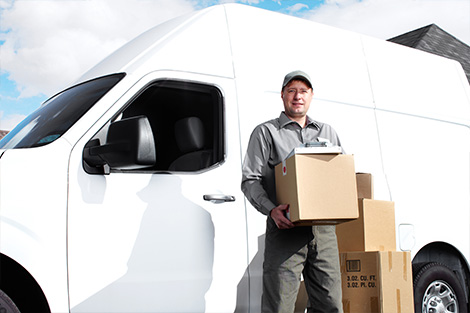
Same day emergency removals in Kensington avoid delays
When plans change at the worst possible moment, moving quickly stops being a preference and becomes a necessity. That is exactly where same day emergency removals in Kensington avoid delays can make the difference between a manageable day and a complete mess. Whether you have a tenancy deadline, a last-minute office handover, a water leak, or furniture that simply has to go now, speed matters. But speed without structure usually creates a second problem. The trick is getting urgent removals done fast, while still protecting your belongings, your building access, and your sanity.
This guide explains how emergency removals actually work in Kensington, what slows them down, what to prepare before anyone arrives, and how to choose the right service without overcomplicating things. Let's face it, if you are searching for help today, you do not need theory. You need a practical plan.
Table of Contents
- Why Same day emergency removals in Kensington avoid delays Matters
- How Same day emergency removals in Kensington avoid delays Works
- Key Benefits and Practical Advantages
- Who This Is For and When It Makes Sense
- Step-by-Step Guidance
- Expert Tips for Better Results
- Common Mistakes to Avoid
- Tools, Resources and Recommendations
- Law, Compliance, Standards, or Best Practice
- Options, Methods, or Comparison Table
- Case Study or Real-World Example
- Practical Checklist
- Conclusion
- Frequently Asked Questions
Why Same day emergency removals in Kensington avoid delays Matters
Kensington is not the sort of place where delays hide quietly. Tight roads, controlled parking, busy streets, apartment blocks with restricted access, lift bookings, and awkward front steps can all slow a move down before a van has even stopped. If you are dealing with an urgent removal, every extra minute can snowball into missed access times, frustrated neighbours, additional labour, or a second journey that nobody wants.
Emergency removals matter because they help you act inside the window you actually have, not the one you wish you had. That might mean clearing a flat before a checkout inspection, moving office items before contractors begin, or removing bulky furniture before it blocks a hallway. In our experience, the people who avoid delays are rarely the ones with the fanciest plan; they are the ones who make quick decisions, keep items grouped, and communicate clearly from the start.
There is also a calmness factor. Urgent situations feel noisy. Boxes everywhere, keys in your pocket, a phone buzzing, someone asking where the kettle went. A good same day removals setup cuts through that. It replaces panic with sequence, which sounds simple, but on moving day that is gold.
Key takeaway: Same day emergency removals work best when speed is paired with preparation, accurate access details, and a clear list of what is going. That combination is what actually avoids delays.
How Same day emergency removals in Kensington avoid delays Works
At a practical level, same day emergency removals follow a straightforward pattern: you request help, share the essentials, confirm the load, and the team arrives ready to move. The part that saves time is not magic. It is front-loading the information that normally causes bottlenecks.
A reliable urgent removal process usually starts with a quick assessment of what needs to move, where it is located, and how accessible it is. Is there a lift? Is the item on the third floor? Can a van stop outside, or is there only a loading restriction? Are there mattresses, appliances, confidential items, or fragile pieces involved? These details shape the vehicle size, the number of staff, and the route out of the property.
If packing is needed, that may be handled separately or bundled in depending on the job. For example, a room of mixed belongings can often be sorted faster if one part of the load is already boxed and labelled. For bigger or more delicate moves, the added support of packing and unpacking services can take pressure off and prevent those last-minute scrambles that eat into the schedule.
Emergency removals also work better when the team knows what sort of transport is required. A small load may suit a man with van arrangement, while bulkier or higher-volume moves may need a moving truck or broader support from removal truck hire. The point is simple: the right vehicle stops time being wasted on repeat trips.
Key Benefits and Practical Advantages
The main benefit is obvious: speed. But if you only think about speed, you miss half the value. Emergency removals are really about reducing friction in a moment where friction is expensive.
- Less downtime: Useful for office closures, end-of-tenancy deadlines, or room clearances that cannot wait until tomorrow.
- Better access management: Arriving with the correct vehicle and crew reduces time spent juggling parking or loading.
- Lower stress: A tidy same day plan means fewer decisions at the door and less back-and-forth on the phone.
- Safer handling: Heavy or awkward items are moved in a more controlled way rather than in a rushed, improvised lift.
- Cleaner handover: If you are vacating a property, moving fast can help you leave rooms clear and ready for inspection.
There is a quiet practical advantage too: same day removals often force better prioritisation. You end up asking, "What actually needs to go now?" That question saves money and time. Not everything needs to move in the first wave. Sometimes a bedside table can wait; the sofa cannot. That kind of judgement is useful, even if it feels a bit blunt in the moment.
If furniture disposal is part of the job, it can be worth separating reusable items from items for removal. A service such as furniture pick-up can be helpful for standalone pieces, while more specific removal needs may require separate handling for items like a mattress or sofa disposal or even a fridge and appliance removal if an old unit is in the way.
Who This Is For and When It Makes Sense
Emergency removals are not just for dramatic last-minute disasters. They make sense in a surprisingly wide range of everyday situations.
- Tenants facing a same day handover: You may need to clear a flat quickly after checkout or before inventory work.
- Landlords and managing agents: A property might need to be made safe, tidy, or ready for the next occupant.
- Homeowners under pressure: Perhaps you are dealing with a sudden repair, leak, or access issue.
- Small businesses and offices: A desk move, archive clear-out, or urgent relocation can't always wait for a big project schedule.
- People helping family: Clearing a relative's room or supporting a move after a change in circumstances often happens quickly.
It also makes sense when the job is only partially urgent. For instance, if you need a few large items out today but the rest can wait, a same day team can clear the critical stuff first. That is often the smartest route. No drama, just progress.
For office clients, a focused commercial move approach may be the better fit than a broad house clearance mindset. In those cases, services such as commercial moves or office relocation services can be more appropriate, because they are designed around workspaces, equipment, and tight handover times.
Step-by-Step Guidance
If you want to avoid delays, follow a simple sequence. It sounds almost too basic, but honestly, this is where most urgent moves are won or lost.
- List the items clearly. Write down what must move today, what can wait, and what needs special handling.
- Check access before anything else. Note floor level, lift availability, parking restrictions, narrow entrances, and any time limits.
- Separate urgent items from everything else. Place the must-go items in one spot. One room, one corner, one corridor if needed.
- Protect breakables early. Wrap glass, electronics, and fragile decor before the team arrives if you can do so safely.
- Confirm the vehicle and crew size. A small van may be fine for a few pieces, but bigger loads need the right capacity from the start.
- Share exact timing expectations. If a lift booking ends at 3 pm, say so. If building access is only available after lunch, mention it plainly.
- Prepare payment and paperwork. This avoids awkward pauses at the end, especially on busy same day jobs.
One small but useful habit: keep door keys, fobs, and any access codes together in one place. People lose minutes hunting for them, then lose more minutes because everyone starts hunting. It is a tiny thing, but it matters. A lot.
If the job involves delicate handling or you are unsure what can be loaded with other items, check related guidance on what can go in a skip and hazardous waste disposal. Different services have different handling rules, and mixing the wrong items into a rush job is a classic source of delay.
Expert Tips for Better Results
Speed is useful, but organised speed is what really saves the day. Here are the habits that make urgent removals smoother.
- Photograph the load before booking. A few pictures help estimate volume and avoid under-ordering transport.
- Use a simple "go first" pile. Items that must leave should be visually separate from items that may stay.
- Measure awkward pieces. If a wardrobe or fridge is close to a doorway width, measure it. Guessing is how delays start.
- Protect routes through the property. Clear shoes, rugs, small tables, and other trip hazards from hallways.
- Keep neighbours in mind. In a place like Kensington, a quick, tidy loading job is simply easier if everyone around the building is not caught off guard.
Another tip: if you know items are on the way out anyway, do not repack them three times. That is one of those accidental time sinks that feels harmless at the time and then eats 20 minutes before you know it. Been there, seen that.
Where possible, align the removal with any packing or clear-out work already underway. If you are also trying to declutter, a planned route to recycling and sustainability can help you separate items for reuse, recycling, or disposal without creating an extra trip later.
Common Mistakes to Avoid
Emergency removals tend to go wrong in predictable ways. The good news is that most of them are avoidable.
- Waiting too long to call: If access is time-sensitive, every minute of delay makes the move harder.
- Underestimating the load: "It's only a few items" can turn into a half-van once you start carrying things down stairs.
- Forgetting building restrictions: Lift bookings, parking suspensions, and concierge rules can all affect timing.
- Leaving fragile or hazardous items mixed in: This creates handling issues and can slow the whole job.
- Not confirming who is helping: If no one is present to unlock, direct, or approve access, the schedule can stall quickly.
A quieter mistake is trying to make the move "perfect" on the fly. You do not need a showroom-level packing system for a same day emergency removal. You need workable. Good enough, neatly done, and fast. That is the standard here.
If confidential paperwork is among the items to remove, keep it separate and consider dedicated handling through confidential shredding rather than leaving it in mixed boxes. It is a small decision, but a sensible one.
Tools, Resources and Recommendations
You do not need a truckload of equipment to make a same day move work. A few basic tools and sensible resources do most of the heavy lifting.
- Sturdy boxes and tape: Especially useful if there are loose items, documents, or smaller household goods.
- Blankets and wraps: Helpful for protecting wood, glass, and polished surfaces.
- Markers and labels: Simple, but invaluable. One label saying "kitchen" can save repeated questions.
- Measuring tape: Handy for doors, stair turns, and furniture that looks manageable until it meets the hallway.
- Phone photos: The fastest way to communicate load size and access conditions.
For larger or more structured jobs, it can help to look at the service type rather than just the urgency. A man and van setup is often suitable for lighter, flexible loads, while larger moves may benefit from a bigger vehicle or even removal truck hire. If you are moving a full household, the broader support of home moves or house removalists may be the better fit.
And if you are dealing with specialist items like broken appliances or old furniture, use the right service for the right object. It sounds obvious, but that is often what keeps the day on track.
Law, Compliance, Standards, or Best Practice
With urgent removals, compliance matters even when the move feels chaotic. You may not be thinking about paperwork while carrying boxes, but the basics still apply. In the UK, waste and disposal duties can vary depending on what is being removed, and some items require more careful handling than others. That includes certain electricals, bulky waste, or anything potentially classed as hazardous.
Best practice is straightforward: keep restricted items separate, be honest about what needs removing, and make sure the service used is appropriate for the item type. If you are clearing a workplace or a property with mixed contents, that becomes even more important. A rushed job is not a good reason to guess.
For businesses, there is also a professionalism angle. Using a clear process, handling items safely, protecting confidential material, and keeping access tidy all reduce the chance of disruption. If you want extra reassurance, it is worth reviewing a provider's published approach to insurance and safety and their health and safety policy. You do not need a lecture. Just confidence that the job will be handled properly.
Payment handling and customer process also matter. A clear, transparent setup reduces awkward delays at the end of the move. It helps to understand payment and security and, if you are comparing providers, to read pricing and quotes carefully so there are no surprises later.
Options, Methods, or Comparison Table
Not every urgent move needs the same solution. Choosing the right method is one of the best ways to avoid delays. Here is a simple comparison.
| Option | Best for | Strengths | Watch-outs |
|---|---|---|---|
| Man and van | Small to medium urgent loads | Flexible, quick to arrange, practical for short-notice jobs | May not suit very large or multi-room moves |
| Moving truck | Bulkier or higher-volume removals | More capacity, fewer repeat trips | Needs better access planning and loading space |
| Full home move support | Households with multiple items and time pressure | More structured for larger domestic relocations | May be more than you need for a partial clearance |
| Specialist item removal | Furniture, appliances, mattresses, sofas | Better handling for awkward or bulky items | Some items need separate preparation or checks |
To be fair, there is no universal "best" choice. The right option depends on what is moving, how fast it must happen, and what access you actually have. The wrong choice usually shows up as a second trip. Nobody likes those.
Case Study or Real-World Example
Here is a realistic scenario. A tenant receives same day notice to clear a Kensington flat before a late afternoon inspection. The flat includes a sofa, a mattress, several boxes, a desk chair, and a fridge that needs removing separately. There is also limited lift access, which is booked for a short slot, and roadside parking is tight.
The quickest way to handle it is not to start carrying random items first. Instead, the must-go items are grouped by room, the fridge is identified early as a separate appliance job, and the path to the door is cleared before the team arrives. The loader knows the access window, the vehicle size, and which items need extra care. That means the removal can start immediately instead of turning into a conversation at the doorway. Which, sadly, happens more often than people think.
The result is not just a faster clear-out. It is a quieter one. Fewer interruptions, fewer questions, fewer "where does this go?" moments. The day feels more controlled, and that matters when everything is happening at once.
If the same situation includes a business file cupboard or office equipment, the move may be better supported by commercial moves or office relocation services, because the planning is a bit different from a domestic move.
Practical Checklist
Use this before the team arrives. It is simple, but it saves time.
- Confirm what must be removed today.
- Separate urgent items from non-urgent ones.
- Check floor level, lift access, and parking restrictions.
- Measure any awkward furniture or appliances.
- Pack fragile items securely, if possible.
- Keep keys, fobs, and access details together.
- Make sure someone is available to answer access questions.
- Set aside any confidential paperwork for separate handling.
- Identify appliances, mattresses, or sofas early.
- Have payment and contact details ready.
If you are unsure whether something is suitable for removal, ask before the van arrives. That one question can save a lot of awkward lifting and a fair bit of muttering in the hallway.
Get a free quote today and see how much you can save.
Conclusion
Same day emergency removals in Kensington work best when urgency is matched with calm, practical preparation. The fastest jobs are rarely chaotic. They are clear, specific, and organised around access, item type, and the right vehicle. If you can sort those basics early, you avoid the delays that usually trip people up.
Whether you are dealing with a sudden household handover, a furniture clearance, or a time-sensitive office move, the same principle applies: know what is moving, know what it needs, and keep the plan simple. That is how you stay ahead of the clock instead of chasing it.
And if today feels a bit overwhelming, that is normal. Start with the first box, the first call, the first decision. The rest tends to follow.
Frequently Asked Questions
What counts as a same day emergency removal?
A same day emergency removal is any short-notice move or clearance that needs to happen within hours rather than days. It might involve furniture, household items, appliances, office contents, or a partial property clear-out.
How do I avoid delays with an urgent move in Kensington?
Share accurate access details, group the items that must go first, confirm vehicle size, and prepare keys or entry codes in advance. Delays usually come from missing information, not the moving itself.
Can a man and van service handle emergency removals?
Yes, often it can for smaller or medium-sized loads. A man and van option is usually practical when you need flexibility and quick turnaround without a full-scale removal setup.
What if I only need a few heavy items removed today?
That is very common. A targeted removal is often the smartest same day solution, especially for sofas, mattresses, fridges, or a few bulky pieces that are blocking access or need to go before an inspection.
Do I need to pack everything before the removers arrive?
Not always. But if items are loose or fragile, some basic packing helps. If you are short on time, packing and unpacking services can save a lot of last-minute stress.
What items need special care during emergency removals?
Appliances, glass, electronics, confidential paperwork, and anything potentially hazardous need extra attention. Items like fridges and mattresses can also need separate handling depending on the job.
Are same day removals more expensive?
They can be, because the service is arranged at short notice and may require immediate scheduling. That said, costs depend on the load, access, distance, and what needs to be moved, so it is worth checking a clear pricing and quotes page or requesting a quote directly.
What should I tell the removal team before they arrive?
Tell them what is being moved, how much there is, where it is located, whether there is a lift, any parking limits, and whether there are stairs, narrow corridors, or time restrictions. The more precise you are, the smoother it goes.
Can emergency removals include disposal as well as transport?
Yes, in some cases. Furniture, mattresses, appliances, and other bulky items may be removed for disposal if that is agreed in advance. If you are combining moving and disposal, it helps to identify each item clearly from the start.
What if I need office items moved urgently?
For workspaces, it is usually better to use a commercial-focused service rather than treating it like a standard household move. Commercial moves and office relocation services are designed around business timing and equipment handling.
How do I know whether my item is safe to move with other goods?
If you are unsure, separate it. Fragile, sharp, wet, leaking, or potentially hazardous items should not be mixed into a general load. When in doubt, ask for guidance before the collection starts.
What is the best next step if I need help today?
Make a short list of the items, check access details, and book as soon as possible. If you already know the move is urgent, do not wait for the day to get more complicated. It usually does. A little early action goes a long way.